← Jason Hart

Medicine

Practising
Doctor

A qualified doctor practising medicine at Auckland City Hospital. Passionate about critical care and emergency medicine — working toward a future on rescue helicopters, delivering care where it matters most.

Auckland City Hospital Critical Care Emergency Medicine 6+ Years Training

The Story

Where Science
Meets Human Care

This path didn't start cleanly. I failed high school — not by a lot, but enough that a direct route into medicine was off the table. I took a gap year: the first half spent resubmitting school assignments to rescue my grades, training for the Underwater Hockey Age-group World Championships, and working café shifts to save enough money to get there. The second half of that year I spent in Israel, volunteering on ambulances — responding to real emergencies, riding alongside paramedics and witnessing the raw weight of critical life and death moments. That experience didn't just inspire me. It decided things for me.

I came home and enrolled in First Year Health Sciences at the University of Auckland, aiming for medical school entry the following year. My grades weren't high enough, and I didn't make the cut. So I moved into a Sports Science degree — building the academic record and the scientific foundation that medicine would demand, and setting my sights on graduate entry instead. I missed out again. There were four applications across several years before the University of Otago finally said yes.

That persistence shaped everything about how I practise. Years of rigorous study, clinical placements, and hospital training at Otago produced not just a degree, but a doctor who had already learned that the hardest things worth doing rarely come easily.

Working across hospital environments since graduating, I've developed a deep passion for critical care and emergency medicine — the high-stakes, high-pressure environments where decisions carry real weight, and where the intersection of science and humanity is most raw and most real.

The goal driving everything forward: rescue helicopters. Delivering advanced pre-hospital care in the most challenging environments imaginable. It's the natural convergence of emergency medicine, military training, and a belief that difficulty is always worth embracing.

"Medicine teaches you that every decision has weight — and that the system is only as good as the people within it."

— Jason Hart
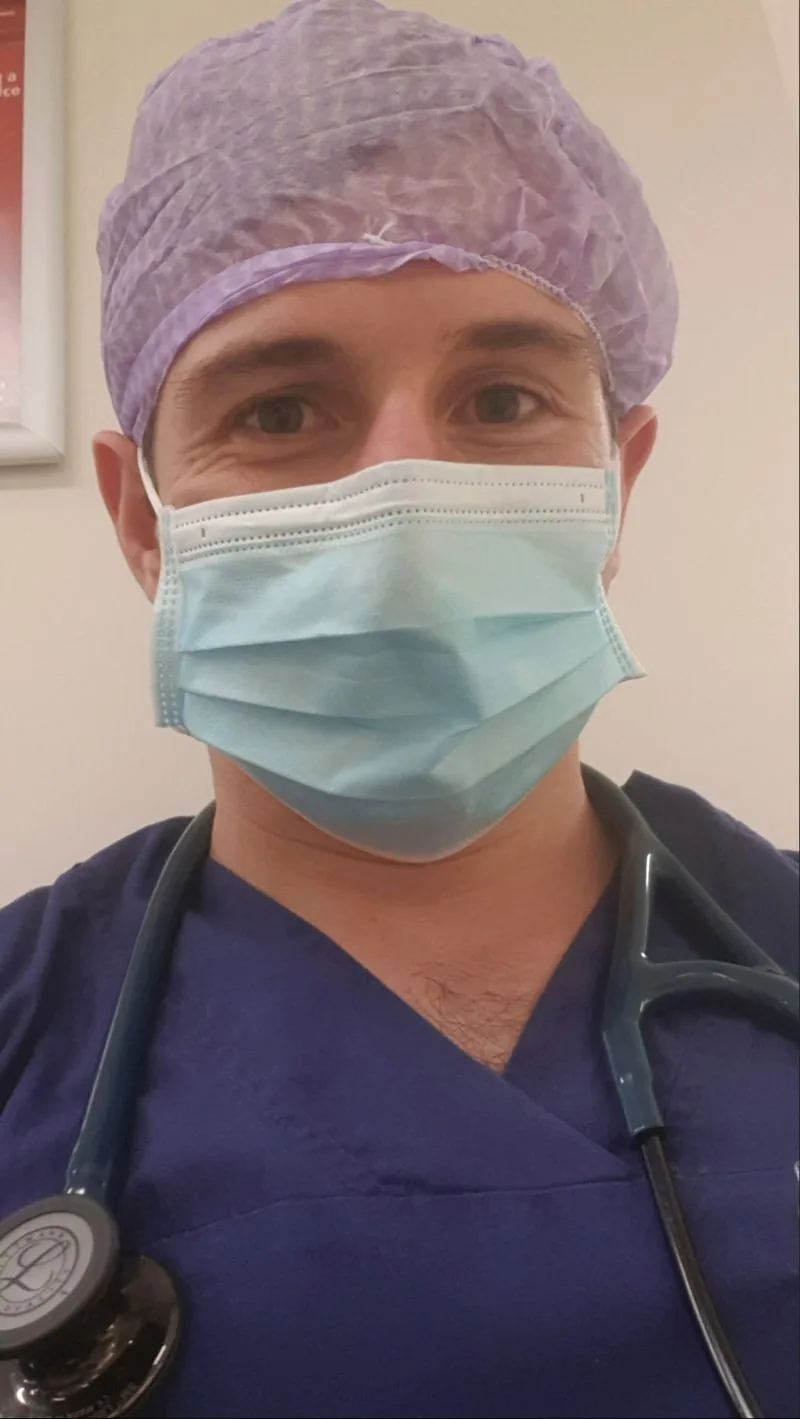
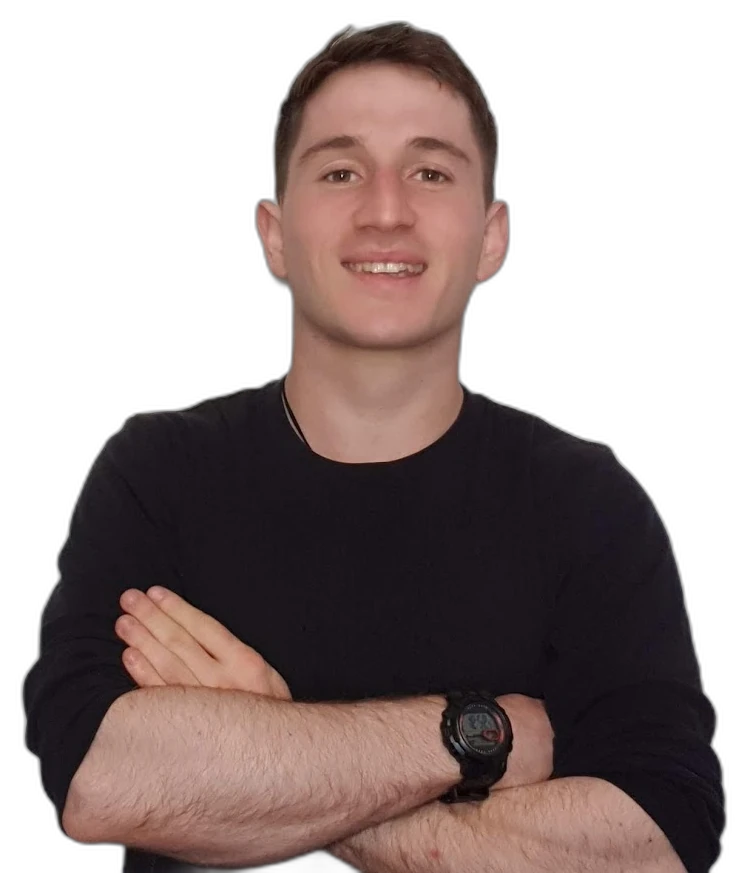
Jason Hart in theatre
Auckland City Hospital

Leadership & Advocacy

Representing the
Junior Doctor Cohort

I currently serve as one of the House Officer Representatives on the Prevocational Training Committee (PVTC) — the regional committee that makes the policy and operational decisions governing how prevocational doctors are trained across the Auckland metro districts: Te Toka Tumai Auckland, Counties Manukau, and Waitematā.

It's a voluntary role, appointed through the Clinical Education and Training Unit (CETU) at Te Toka Tumai. In practice it means sitting alongside Directors of Prevocational Training, Medical Education Fellows, and managers to bring a house officer's perspective to the regional intern teaching programme — and acting as the spokesperson for my PGY1 colleagues, gathering their feedback and turning it into a collective voice that reaches the people who shape the training.

Medicine taught me that a system is only as good as the people willing to improve it. This is where I get to do that work — advocating for the doctors coming through behind me, and helping make the first year of practice better than the one before it.

Prevocational Training Committee Te Toka Tumai Auckland Clinical Education & Training Unit Medical Council of New Zealand Advocacy
01
Regional Governance
Attending quarterly PVTC meetings to actively participate in decisions on the structure, quality, and delivery of prevocational training across the three Auckland metro districts.
02
A Collective Voice
Meeting six-weekly with CETU to feed back on the teaching programme — encouraging, collecting, and reporting the views of the PGY1 cohort so the people who make the decisions hear them clearly.
03
Medical Council Engagement
Working with the Medical Council of New Zealand to provide and coordinate intern feedback on the education and training programme, and facilitating cohort participation in CETU activities.

What Medicine
Taught Me

01
Systems Thinking
Medicine trains you to see the whole picture — patient, physiology, environment, and team — and make decisions under uncertainty with incomplete information.
02
Empathy Under Pressure
Emergency medicine doesn't just test technical skill — it tests your humanity. Holding space for patients in their worst moments shapes every aspect of how I lead and communicate.
03
Real-World Consequences
Unlike many fields, mistakes in medicine cost lives. This sharpens judgment, builds humility, and instills a bias for getting things right — a mindset that carries into every venture.
04
High-Stakes Teamwork
A resus team is one of the most coordinated, trust-dependent groups you'll work in. Medicine taught me when to lead, when to follow, and when to speak up — even when it's uncomfortable.
05
Relentless Learning
Medicine never lets you stop learning. New evidence, new techniques, new challenges every week. This relentless pursuit of knowledge has become one of my deepest personal values.
06
Service Over Self
At its core, medicine is about showing up for others. That orientation — putting the people you serve first — is the foundation of every project, partnership, and conversation.

Ask AI About Me

Prefer to ask an AI directly? Open a new chat with a ready-made prompt about who I am, what I do, and how to reach me.

Opens in a new tab · prompt is also copied to your clipboard

Let's Build Something
Meaningful.

Whether it's a clinical AI project, a website, a speaking engagement, or simply a conversation — reach out.